Before You Add to Basket: Nine CBD Label Checks for 2026
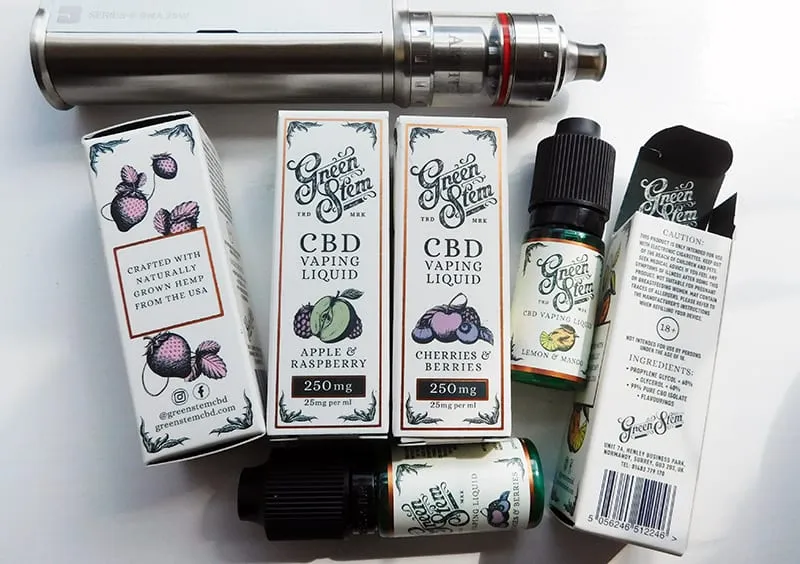
Photo: Ecig Click, CC BY-SA 2.0, via Wikimedia Commons
Walk into a UK health shop, scroll through an online CBD store or browse a supermarket shelf and you will meet a wall of numbers. 500mg. 1,000mg. 10%. Full spectrum. THC-free. Water-soluble. It can feel as if the label is doing a lot of talking and saying very little. The good news is that you do not need a chemistry degree to shop sensibly. You just need a short list of questions and a willingness to walk away from vague claims. Here are nine checks to run before you add anything to your basket in 2026.
1. Start with the serving, not the bottle
A big number on the front of a bottle is not automatically a useful number. Total CBD per bottle tells you how much is inside the whole thing. It does not tell you how much you get in one drop, one spray or one gummy.
Look for the amount per serving or per drop. If the label only says something like 1,000mg, ask how many drops are in the bottle and what the dropper delivers. A 10ml bottle with 1,000mg might work out at around 5mg per drop, while a larger bottle with a similar total could deliver much less per drop. Neither is better by default — but you should know what you are actually taking. At Liberation CBD, we would rather see a clear serving size than a dramatic headline number.
2. Understand what spectrum means
Full-spectrum usually means the product contains a broad range of compounds from the hemp plant, including trace cannabinoids and potentially trace THC. Broad-spectrum generally means the THC has been removed or reduced, though brands do not always use these terms in exactly the same way. Isolate is CBD on its own.
None of these is automatically the right choice. The useful question is simple: what is actually in the extract, and can the brand show you? If the label says full-spectrum but the certificate of analysis only tests for CBD, that is worth noticing.
3. Treat THC trace levels as a question, not a scandal
UK CBD products are subject to tight THC limits, but trace amounts can still be present in some extracts. A responsible label should be clear about what has been tested rather than relying on a vague promise.
If you are subject to workplace drug testing, are cautious about THC for any reason, or simply want to know what you are buying, ask for the batch analysis. Be wary of THC-free claims that come with no laboratory paperwork. It is fine for a brand to say it — it is better if it can show you.
4. Ask for a batch certificate of analysis
A certificate of analysis, or COA, is a laboratory report. The important word is batch. A generic report from two years ago is not the same as a report for the exact bottle in your hand.
A useful COA should show the cannabinoid profile, the date of testing and the batch number. Better still, it should cover contaminants such as heavy metals, pesticides, solvents and microbiology. Many brands now put a QR code on the packaging, which makes this easier. If you cannot find one, email and ask. How a company responds tells you quite a lot.
5. Check the Novel Food listing
The UK Food Standards Agency keeps a register of CBD products that have been through the novel food process. A listing is not a gold star for quality and it is not a medical endorsement, but it is a useful regulatory checkpoint. Search the product or company name on the register before you buy.
If a product is not listed, that does not automatically mean it is dangerous, but it does mean you should ask more questions. In a crowded market, a little paperwork is a reasonable thing to expect.
6. Read the carrier oil
CBD oil has to sit in something. Common carriers include MCT oil, hemp seed oil and olive oil. MCT is light and fairly neutral, hemp seed oil brings a nutty, grassy taste, and olive oil can feel richer.
Carrier oils affect taste, mouthfeel and how easy the product is to use. They also matter if you have allergies or a sensitive stomach. If you are new to oils, a smaller bottle is often a kinder way to test whether a particular carrier suits you.
7. Look beyond the CBD for flavourings and extras
Flavourings are not automatically a problem, but they should not be the main event. Check whether the product uses natural flavourings, sweeteners, colourings or added terpenes, especially in gummies and drinks. If you are using CBD daily, it is worth knowing what else you are taking in.
Also watch for products where the CBD content is tiny compared with the sugar, syrup or novelty packaging. A calm, balanced routine is rarely built on a bag of sweets.
8. Compare price per milligram, not price per bottle
A cheap bottle can be poor value if it contains very little CBD. An expensive bottle can also be poor value if the serving size is unrealistic for you. Divide the price by the total CBD in milligrams to get a rough cost per milligram, then think about how many servings you would actually use.
This is not about finding the cheapest product on the shelf. It is about seeing through packaging and working out what fits your budget and your routine.
9. Match the product to a realistic routine
Finally, ignore the fantasy version of CBD where one drop solves a chaotic day. A sensible routine is usually small, consistent and easy to keep. Start with a low serving, note how you feel, and give yourself time rather than chasing a huge number.
CBD is not a medicine and it is not a substitute for medical advice. If you are pregnant, breastfeeding, taking medication or managing a health condition, speak to a pharmacist or GP first. Keep out of reach of children and do not use CBD if you are under 18.
A good CBD label is not the loudest one. It is the one that gives you enough information to ask a better question. That is the quiet kind of liberation worth shopping for.