Cold Kitchens, Warm Radiators: Giving Your CBD Oil a Sensible Winter Home

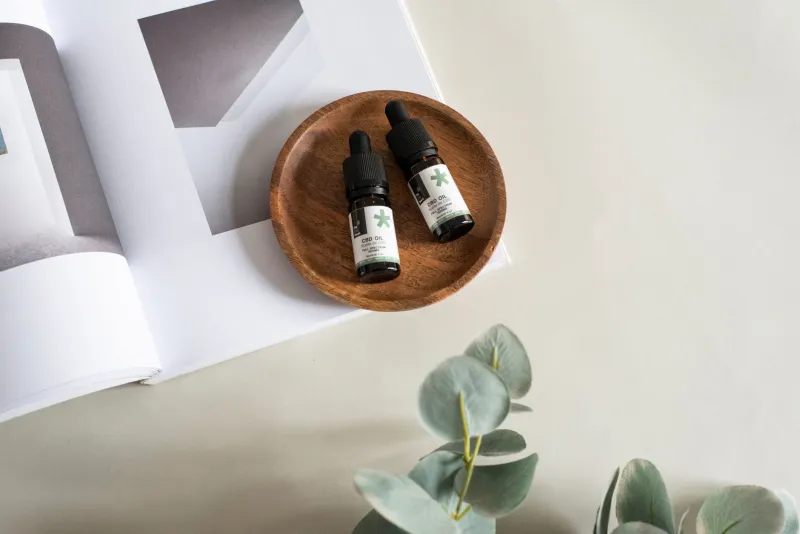
Photo: small amber CBD oil dropper bottle in a cool dark kitchen cupboard with tea tin, via d1csarkz8obe9u.cloudfront.net
November has a way of rearranging a home. The heating clicks on, a window stays open for five minutes too long, and suddenly every small bottle on the worktop is living through its own weather system. If you keep a CBD oil in the kitchen, the bathroom or the bottom of a bag, this is a good moment to give it a steadier winter home.
This is not a guide to what CBD might do for you. It is a guide to looking after the bottle itself: the oil, the dropper, the label, the routine. A few sensible habits can make a daily product easier to use and less likely to end up somewhere daft, like the glovebox.
Why temperature gets a mention
CBD oils are usually blends of CBD extract and a carrier oil such as MCT, hemp seed or olive oil. Temperature changes how those oils behave. Cold oil tends to become thicker and slower to move; a warm bottle may look runnier. That does not automatically mean the product has changed in some dramatic way, but it can affect how easily a drop forms and how consistent your usual measure feels.
Light and heat are the bigger long-term considerations. A bottle that sits on a sunny windowsill or beside a radiator is being asked to cope with repeated swings. A cool, dark cupboard is less dramatic. You do not need a laboratory. You just need somewhere reasonably stable.
The kitchen: good cupboard, bad windowsill
The kitchen is where many people keep their CBD oil, partly because it is where the kettle lives and partly because it is easy to remember. The trick is to choose the boring spot rather than the convenient one.
A high shelf in a cupboard away from the oven, hob and radiator is usually a sensible choice. Avoid the windowsill, especially in a south-facing kitchen where condensation and sunlight can both make an appearance. Avoid the shelf directly above the kettle, too. Steam is not a friend to labels, and a bottle that gets moved every time someone makes tea is a bottle that gets knocked over.
If your kitchen is small and every cupboard is warm, consider a cooler room. A bedroom cupboard or a hallway shelf out of direct sun can work well. The point is not perfection; it is avoiding the two extremes: baking heat and freezing draughts.
Bathroom bottles and steamy shelves
A bathroom cabinet can feel like a natural home for a small bottle, but bathrooms are often the most humid room in the house. Steam, damp towels and hot showers create a lot of moisture. If the bottle lives there, keep it in a closed cabinet rather than on the windowsill or beside the shower.
Check the cap is properly closed and the bottle is upright. Wipe any oil from the outside of the bottle, because a sticky bottle attracts fluff and makes the label hard to read. If you notice condensation inside the cabinet or the label is lifting, move the bottle somewhere drier.
Handbags, coat pockets and the commute
A small bottle in a handbag is fine for many people, provided it is not rolling around loose with keys and coins. Keep it upright if you can, and keep it in its original box or a small pouch. The label matters: if the bottle gets scratched and you can no longer read the batch number or expiry date, you have lost useful information.
A coat pocket is less ideal. It gets warm indoors, cold outdoors, and then warm again on the train. A bottle that lives in a pocket for weeks is also a bottle that might go through the wash. If you carry CBD oil with you, treat it like a small cosmetic: contained, closed and not forgotten.
The car is not a cupboard
It is tempting to leave a bottle in the car for convenience, especially if you spend a lot of time driving. But a car is a series of temperature extremes: cold overnight, warm in the sun, cold again. A glovebox can get surprisingly hot, and a door pocket can get surprisingly cold. Neither is a stable home.
If you need to carry a bottle, take it with you rather than leaving it in the car for days. If it has been in a cold car, let it come back to room temperature naturally before you use it. Do not put it on a radiator or in hot water to speed things up.
What to look for on the bottle
Before you move anything, read the label. Look for storage instructions, the batch number and the expiry date. Check whether the brand suggests shaking before use. Some oils are blended and may benefit from a gentle shake; others are not. Follow the label rather than a general rule you read online.
If you notice separation, cloudiness or a change in smell that seems unusual, stop and check with the brand. Natural oils can vary, but you should not have to guess. A quick email with the batch number is better than carrying on with a bottle that seems off.
A simple winter routine
Pick one cool, dark spot and keep the bottle there. Keep it upright. Keep the cap clean. Keep the original box if you have it, because it protects the bottle from light and gives you somewhere to note the opening date. Do not decant it into an unlabelled mini bottle, no matter how neat it looks on the shelf.
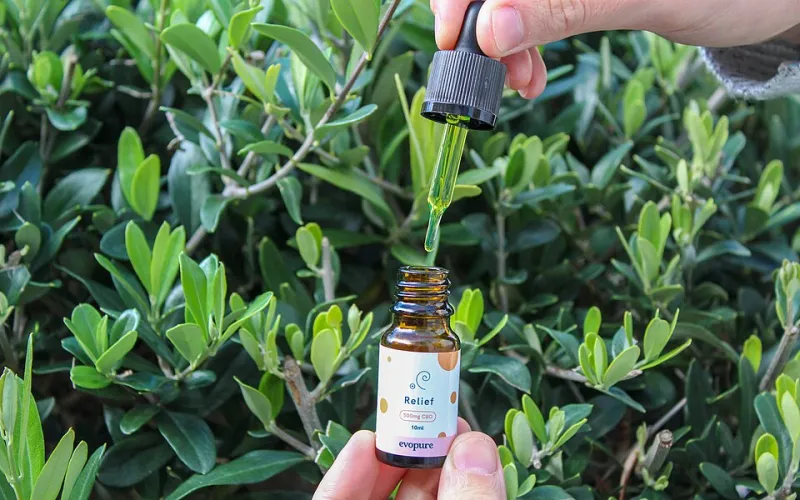
When you use it, let the oil settle. If the bottle has been somewhere cold, warm it gently in your hands for a minute rather than rushing the dropper. Use your usual measure and your usual routine. This is about consistency, not intensity.
Winter already asks a lot of us: dark afternoons, dry skin, trains that are either freezing or stuffy. Your CBD oil does not need to be another thing to manage. Give it a cool cupboard, a closed cap and a bit of common sense, and it can stay quietly in the background where it belongs.