The Sniffle Shelf: Where CBD Fits When Your Head Is Full of Winter
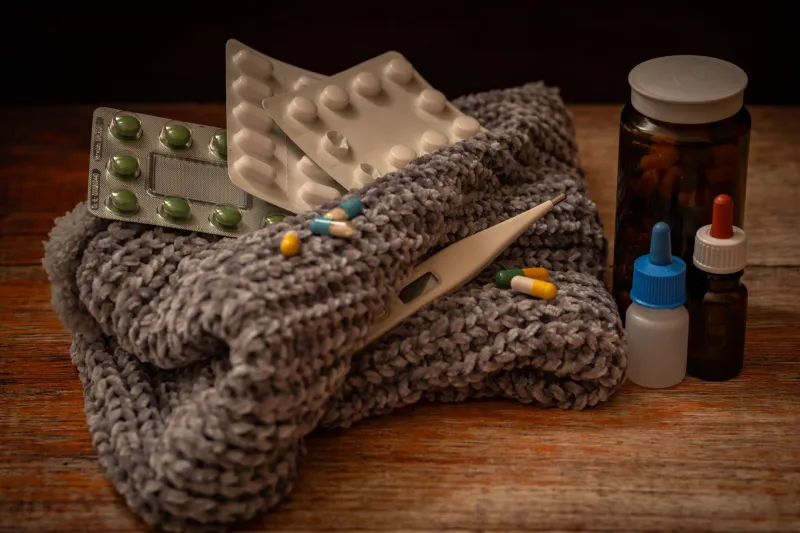
There is a particular kind of November evening when the tissue box moves into the bedroom, the kettle never quite cools down, and your bedside table starts to look like a small branch of Boots. A strip of paracetamol. A half-squeezed bottle of cough syrup. Something lemon-flavoured that promised to be soothing and mostly tastes like hot Ribena with a cough in it. And, somewhere at the back, your CBD oil.
That little bottle can feel like an awkward guest in a crowded room. You are not alone in wondering whether it belongs there at all. The short answer is: it can, but only with a bit of thought. CBD is not a cold cure, it is not a decongestant, and it will not shift a sore throat by morning. What it might do is fit into a routine you already have — if you check the labels, keep things simple, and speak to a pharmacist when the shelf gets crowded.
First, the honest bit
Let’s get the obvious out of the way. CBD is not a treatment for the common cold, flu or any other infection. It does not clear blocked sinuses, bring a fever down or replace paracetamol, ibuprofen or a decongestant. If you are properly unwell — breathless, confused, dehydrated, or just not sure — the NHS 111 service and your GP are the places to look, not the back of a CBD bottle.
That sounds stern, but it is meant kindly. The wellness world has a habit of making every bottle sound like it can do everything. A responsible CBD routine is smaller than that. It is a small, optional extra alongside sleep, fluids, a warm room and the ordinary medicines that actually treat symptoms. When you are under the weather, the best thing CBD can be is unremarkable.
Read the label like you mean it
When your head is full of cold, reading a label properly is about as appealing as unloading the dishwasher. Do it anyway. Cold and flu products are famous for doubling up on the same ingredients — especially paracetamol — and the last thing you need is an accidental overlap. CBD does not contain paracetamol, obviously, but the principle is the same: know what you are taking, and when.
Check your CBD bottle for the amount per drop or per spray, not just the big number on the front. A bottle that says 1,000mg can mean very different things depending on how many drops are in it. Look for a batch number and clear storage instructions. If the label is vague about strength, carrier oil or testing, that is a quiet signal to leave it in the cupboard until you feel better.
If you are taking prescription medication — for anything from blood pressure to epilepsy to thyroid function — speak to a pharmacist before adding CBD to the mix. CBD can interact with some medicines, and a cold is not the moment to experiment. The same goes if you are pregnant, breastfeeding, or buying for someone else. A quick conversation at the pharmacy counter is worth more than a hundred internet rabbit holes.
The pharmacist is not a last resort
In the UK, we sometimes treat the pharmacist like a slightly intimidating gatekeeper to the plasters. They are actually one of the most useful people on the high street when you are ill and unsure. You can walk in, explain what you are taking, and ask a plain question: “Is this okay alongside my cold remedies?”
That includes CBD. A pharmacist can look at the whole picture — the decongestant, the cough syrup, the paracetamol, the CBD — and tell you if anything looks like it might clash. They can also tell you whether a product is suitable for the symptoms you are describing. It is a free, confidential conversation, and it takes about five minutes. If you are in a supermarket pharmacy or a bigger chain, you can usually ask for a quiet word at the counter.
Keep the routine boring
When you are ill, your routine tends to fall apart. Meals become toast, bedtime becomes 8.45pm, and the idea of measuring out a careful dose of anything feels like admin. That is fine. CBD does not need to be heroic. If you normally take it as part of a wind-down ritual, you might simply skip it for a few days and pick it up when your appetite and taste return.
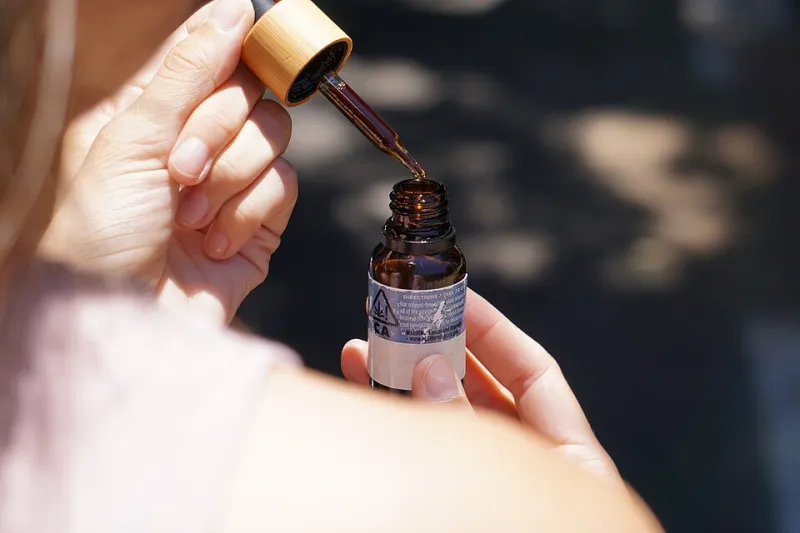
If you do want to keep it going, keep it boring. Same time, same amount, same simple format. Do not add a new strength, a new brand or a new format while you are full of cold. Your body is already dealing with enough. A dropper of oil under the tongue is easy; a complicated routine involving three products and a timer is not. If the taste is off because you are congested, you are not failing at wellness by leaving it alone.
Taste, appetite and the half-empty dropper
One of the quieter problems with being ill is that your mouth tastes like a cupboard. CBD oil, which already has a earthy, grassy edge, can suddenly seem like the least appealing thing in the house. You do not have to force it. If a spoonful of honey in warm water is all you can manage, that is a perfectly reasonable winter ritual.
Some people find that a smaller amount, or a different format, is easier when they are under the weather. But this is not the week to experiment with a new brand or a stronger bottle. Stick with what you know, or leave it until your appetite comes back. There is no prize for pushing through.
What not to do
Do not use CBD as a reason to delay seeking help. If a cold turns into a chest infection, a fever that will not shift, or breathing that feels harder than it should, put the dropper down and call 111 or your GP. Do not mix CBD with alcohol as a way to “take the edge off” a winter bug — it will not help, and it can make you feel worse. And do not assume that because CBD is natural, it is automatically compatible with everything else in the cupboard. Natural does not mean neutral.
Also, be wary of anyone selling CBD as a cold and flu remedy. It is not. If a label or a website promises to “fight winter bugs” or “boost immunity”, treat that as marketing rather than medicine. The responsible version of this conversation is much smaller: here is a product, here is what it is, here is what it is not, and here is who to ask if you are unsure.
A small winter plan
So what does a sensible sniffle-season plan look like? Keep the CBD bottle where you can see it, but do not make it the centre of the shelf. Check the label once, note the strength, and put it beside the things that actually treat symptoms. If you are taking anything else — prescription or over-the-counter — ask a pharmacist. If you feel rough, simplify. If you forget it for three days, nothing terrible happens.
The winter lurgy is not a wellness trend, and CBD is not a miracle. But a calm, label-checking, pharmacist-friendly approach can make the bedside table feel a little less chaotic. And when your head is full of cold, a little less chaos is worth its weight in tissues.