The Calm Cabinet Audit: An Honest Place for CBD Among Tea, Magnesium and a Good Walk
Photo: Internet Archive Book Images, No restrictions, via Wikimedia Commons
Natural alternatives is a warm, promising phrase. It conjures up chamomile tea, a walk around the park, a magnesium tablet beside the kettle and maybe a small bottle of CBD. All of these can have a place in a calm UK wellness cabinet. The honesty check is remembering that natural does not mean interchangeable, risk-free or guaranteed. CBD is not a magic switch, and neither is anything else in the cupboard. The useful question is not which one wins, but where each one genuinely fits.
What CBD can and cannot do
Let us start with the limits. In the UK, CBD is generally sold as a food supplement, not a medicine. It is not licensed to treat anxiety, insomnia, pain or any other medical condition. The evidence base is still developing, and individual responses vary. Some people report feeling calmer or more settled when they use CBD as part of a routine; others notice very little. That does not make it useless, but it does mean it should not be sold to you as a cure. It cannot replace a GP, therapy, prescribed medication or emergency care. If you are pregnant, breastfeeding, taking medication or managing a health condition, check with a pharmacist or doctor first.
The calm cabinet, item by item
Magnesium is a mineral involved in many body processes. Supplements are useful for some people with a deficiency, and some people find them helpful for sleep or muscle tension, but the evidence is not universal. Too much can cause digestive upset, and magnesium can interact with some medicines. Herbal teas offer warmth, hydration and a pause. Chamomile, lemon balm and peppermint are pleasant rituals, but a mug of tea is not a treatment for a medical condition. Walks are one of the most reliable calming tools we have: free, portable and backed by a decent body of evidence for mood and stress. Breathing exercises are similarly available at any moment, though they can feel frustrating if you are very anxious. CBD is another option in the cabinet, not the foundation of it.
CBD versus the rest: a fair comparison
CBD is often compared with magnesium or herbal teas as if they are rival products on the same shelf. They are not quite the same category. Magnesium is a nutrient. Herbal tea is a drink and a ritual. A walk is a behaviour. Breathing is a skill. CBD is a supplement made from hemp. Each works through a different route, and none is a straight swap for another. If you are looking for a five-minute pause, a walk or a breathing exercise will probably be faster and cheaper. If you are looking for a consistent evening ritual, a tea or a CBD drop might appeal. If you suspect a nutrient gap, food and a clinician are more sensible starting points than a new supplement.
The honesty questions worth asking
Before adding CBD to your cabinet, try a few plain questions. What job am I asking it to do? If the answer is cure my anxiety or fix my sleep, CBD is the wrong tool and a clinician is the right conversation. What would working look like? Perhaps a slightly easier wind-down, not a dramatic transformation. What else am I taking? Herbal products and supplements can interact with medications, and CBD is no exception. Can I afford to use it consistently? A bottle that lasts a fortnight but costs a fortune is not a calm routine. Is the label clear about CBD content, carrier oil and batch information? Does it come from a reputable UK seller? And am I using it to avoid something I actually need to address? That last question is not a judgement, just a kindness to yourself.
Natural does not automatically mean harmless
Herbal does not mean risk-free. St John's wort, for example, is well known for interacting with medicines. Magnesium in large amounts can upset the stomach. Essential oils can irritate skin. CBD can interact with some prescription drugs and may cause tiredness or digestive changes in some people. A responsible wellness cabinet is not a free-for-all; it is a small, considered collection. Keep labels, check expiry dates and tell your pharmacist what you are taking, especially if you are on regular medication.
Building a balanced routine without overclaiming
Start with the unglamorous basics: sleep, food, movement, daylight and connection. These are not exciting, but they do a lot of quiet work. Then add one thing at a time. If you want to try CBD, choose a clear product, start low, keep a simple note of how you feel and give it a fair but not endless trial. Do not stack five new supplements in a week and credit the wrong one. And do not let any product become the only thing holding your calm together. A balanced routine has room for enjoyment, not just optimisation.
Where CBD fits, and where it does not
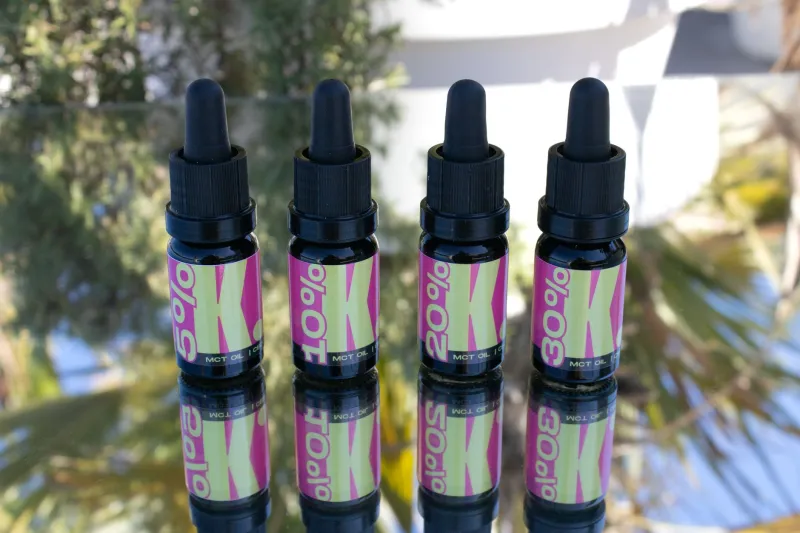
CBD can fit neatly into a calm cabinet as an optional extra: a dropper beside the kettle, a small ritual at the end of the day, a thing you try with realistic expectations. It does not fit as a replacement for medical care, a cure for anxiety, a shortcut to sleep or a reason to ignore the basics. The most honest natural alternatives are the ones we can describe plainly: a walk, a brew, a breath, a chat, a decent night's sleep. CBD can sit alongside them. It just should not be asked to carry the whole cabinet.