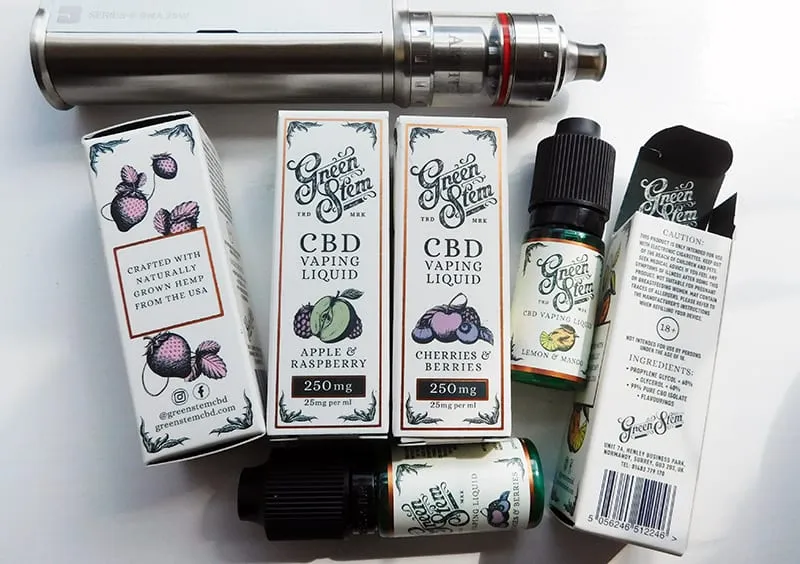
Steady at Three: A Calm British Guide to the Afternoon Dip
Photo: Editor: Hamilton Fyfe, Public domain, via Wikimedia Commons
There is a particular moment in the British working day when the kettle becomes unusually persuasive. It is roughly 3pm. The morning has gone, lunch is a memory, and the next meeting is either happening or looming. Someone in the office says they need another coffee. Someone else opens the biscuit tin. On a grey November afternoon, the whole room seems to sigh at once.
That is the afternoon dip. It is common, it is unglamorous, and it is not a moral failure. It is also not something a single supplement can magically erase. So let us treat it properly: as a small daily puzzle with several simple levers—and one place where CBD might, carefully, fit in.
Why the afternoon dip feels so British
Our days are shaped by light, food, temperature and routine. In the UK, the afternoon slump often arrives when daylight is already fading, the central heating is doing its dry little best, and lunch has been something quick at a desk. Add a screen-heavy day and a train home to think about, and the body starts asking for a pause.
This is not a diagnosis. Persistent tiredness, low mood or sleep problems deserve a conversation with your GP. But the ordinary 3pm wobble is a very normal part of a working week. The goal is not to “beat” it with caffeine. The goal is to make it less of a crash and more of a gentle bend in the road.
Start with light and water—the unglamorous basics
Before you buy anything, try the boring stuff. It works more often than we admit.
Get outside at lunch if you can, even for ten minutes. Natural light helps tell your body what time it is, and that matters more in winter. If you cannot leave the building, sit near a window rather than in a meeting room with the blinds down. Keep a glass or bottle of water where you can see it. Mild dehydration can feel like fog, and fog feels like fatigue.
None of this is exciting. That is rather the point. The afternoon dip is not usually solved by a dramatic intervention; it is softened by a few small ones.
Move before you medicate—or caffeinate
A second espresso is not evil, but it is not a strategy. Try five minutes of movement first. Take the stairs once. Walk to the far kitchen. Do a lap of the block. Roll your shoulders and unclench your jaw. If you work from home, put on one song and move about the kitchen.
The trick is to change your physical state before you change your blood caffeine level. Movement is free, and it does not leave you staring at the ceiling at 11pm.
The snack question: less rollercoaster, more steady
The biscuit tin is a British institution for a reason, but a fast sugar hit often ends in a second dip. If you are genuinely hungry, aim for something with a bit of protein or fibre: yoghurt, nuts, oatcakes, hummus, a banana, a boiled egg, toast with peanut butter. Keep it simple enough that you will actually do it.
And if you are not hungry? Notice that too. Sometimes the 3pm reach for food is really a reach for a pause.
Step away from the screen—properly
The most underrated afternoon reset is a proper break. Not a scroll. Not a “quick check” of email. A real one: stand up, look out of the window, make a cup of tea, breathe out slowly. If you can, leave your phone at your desk for five minutes.
The kettle ritual is fine. The trick is to make it a pause rather than a pit stop. Let the tea brew. Wait for it. That tiny gap is often enough to take the edge off the day.
Where CBD might fit—and where it does not
This is the responsible bit. CBD is not a stimulant, and it is not a treatment for exhaustion, burnout or any medical condition. It will not fix a bad night’s sleep, a difficult job or a lunch that was three biscuits and a coffee.
Where CBD may fit, for some people, is in a wind-down routine later in the day: a calm ritual that signals the working day is closing. That is a very different claim from “CBD gets you through the afternoon.” If you are curious, treat it as an optional extra alongside sleep, daylight, movement and food—not as a replacement for them.
Before buying, check the label carefully. In the UK, CBD products are subject to novel food rules, and THC is controlled. Look for clear cannabinoid content, batch information, third-party testing and honest language. Be wary of anything promising to cure tiredness or “reset” your energy. If you take prescription medication, are pregnant or breastfeeding, or are unsure, speak to a pharmacist or GP first.
A five-day afternoon reset menu
This is not a rigid plan. It is a menu of small experiments. Pick what fits.
Monday: daylight first. Get outside at lunch, even for ten minutes. Drink a glass of water before your afternoon tea. Notice whether the 3pm edge feels slightly softer.
Tuesday: movement snack. At 2:45pm, take the stairs or walk a lap of the block. If you are at home, stretch for three minutes. Have a protein-forward snack only if you are actually hungry.
Wednesday: screen-free kettle. Make a drink without scrolling. Stand by the window while the kettle boils. Let the pause be the point.
Thursday: swap the second coffee. Try herbal tea, warm water with lemon, or simply a glass of water. If you truly want coffee, have it—but have it after you have moved and had a drink of water.
Friday: close the week gently. Clear one small thing from your desk. Write tomorrow’s first task on a sticky note. Leave on time if you can. The weekend starts better when Friday afternoon is not a fight.
A calmer way to stay curious
The afternoon dip is not a character flaw and it is not a marketing opportunity. It is a signal. Usually it is asking for light, water, food, movement or a break. Sometimes it is asking for an earlier night.
CBD may have a place in the calm corner of your routine, but it should never be the first thing you reach for—or the thing you blame when the day still feels long. Keep it simple, keep it honest, and keep the kettle on.