What’s Carrying Your CBD? MCT, Hemp Seed and Olive Oils Explained for UK Droppers
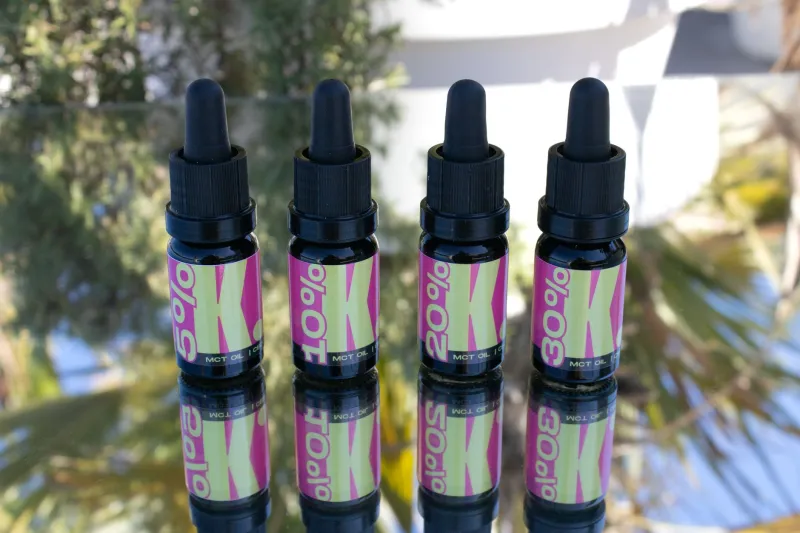
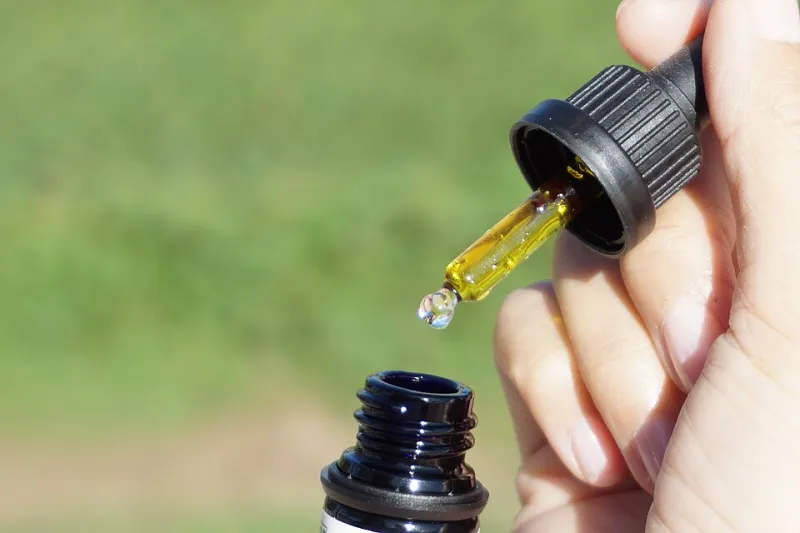
Open almost any CBD dropper and, below the CBD itself, you will find the supporting act: a carrier oil. It rarely gets top billing. Yet it shapes how the drops taste, how they feel on the tongue, how long the bottle keeps and whether the format actually suits your day. This is the back-of-the-bottle detail worth getting to know, without turning a simple purchase into a chemistry exam.
What a carrier oil is doing in the bottle
CBD is fat-soluble, which is a tidy way of saying it prefers oily, fatty company to plain water. A carrier oil dilutes the extract, helps create a consistent dropper dose and gives the product its texture. In the UK, CBD tinctures are usually sold as food supplements rather than medicines, so the carrier is part of the food-style formulation. It is not automatically an absorption booster, a flavour mask or a sign of quality on its own. It is simply the vehicle.
MCT oil: the smooth, neutral all-rounder
MCT stands for medium-chain triglycerides, and in most CBD drops it means fractionated coconut oil. It is thin, pale and fairly neutral on the tongue, which makes it a popular choice for people who do not love the grassy taste of hemp. It tends to have a longer shelf life than highly unsaturated oils and stays pourable at room temperature. Some people find MCT easier on the palate first thing in the morning. Others are sensitive to coconut-derived ingredients, so it is worth noting if that applies to you. The key point: MCT is a pleasant carrier, not a guarantee that CBD will work harder or faster for you.
Hemp seed oil: the grassy traditionalist
Hemp seed oil is cold-pressed from hemp seeds, and it has a nutty, earthy, sometimes slightly grassy flavour. It brings omega fatty acids and a lovely natural feel, but it is not the same as a CBD-rich hemp extract. A bottle may contain both hemp seed oil and CBD extract; checking the CBD amount per ml is more useful than assuming the word hemp tells the whole story. Hemp seed oil is rich in polyunsaturated fats, which can make it less stable over time. Store it cool and dark, follow the best-before date and do not leave it on a sunny windowsill. Taste-wise, it suits people who enjoy a more savoury, botanical drop, perhaps in the evening rather than before a morning commute.
Olive oil: the kitchen-table classic
Extra virgin olive oil gives CBD drops a thicker body and a peppery finish. It feels familiar, almost like a good salad dressing, and its natural antioxidants can help protect the oil from oxidation. The downside is that the flavour is louder. If you dislike peppery aftertaste, olive oil may not be your favourite carrier. If you like the ritual of something robust and Mediterranean, it can feel grounding. Do not cook with your CBD dropper, though. These oils are made for dropping, not frying.
Absorption, taste and texture are not the same conversation
Carrier oils are often marketed as if one is scientifically superior for absorption. The honest answer is more modest. CBD is fat-soluble, and taking it with some fat may influence how it is handled by the body, but human studies are still limited and product formulations vary widely. What is easier to judge is whether you will actually use the bottle consistently. A neutral MCT oil may suit someone who dislikes hemp flavour. A hemp seed oil may appeal to someone who wants an earthier ritual. Olive oil may win over someone who likes a slower, more tactile drop. Texture matters too: thin oils disperse quickly, thicker oils linger. None of this makes one carrier the universal best.
Shelf life, storage and the small print
Carrier oils age. Heat, light and air are the usual enemies, which is why amber glass and a cool cupboard are your friends. Check the best-before date and any storage instructions on the label. Some people keep CBD oil in the fridge; that is fine if the label says so, but olive oil can thicken when cold. Avoid leaving the bottle in a hot car or beside the hob. If you only use a few drops now and then, a smaller bottle may make more sense than a large one that lingers past its best.
Reading the back of your bottle with confidence
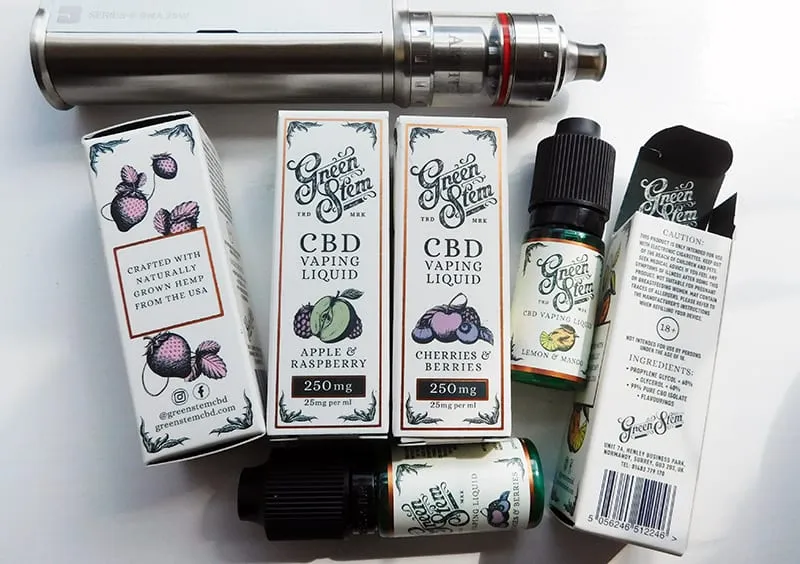
Start with the ingredients list. The carrier may appear simply as MCT oil, hemp seed oil or extra virgin olive oil. Look for the CBD content per ml or per drop, plus the total milligrams in the bottle. If a product says hemp seed oil but gives no clear CBD figure, it may be a hemp oil rather than a CBD supplement. A named carrier is a helpful sign of transparency, but it is not a quality medal on its own. You do not need a spreadsheet to buy well. You need enough information to know what you are taking, how it tastes and whether you will finish it.
Choosing a dropper that fits your actual week
Ask yourself when you will realistically use it. If it is a morning habit, a neutral MCT oil may be the easiest start. If it is an evening wind-down, an earthy hemp seed or peppery olive oil might feel more ceremonial. Consider bottle size, budget and travel. A dropper that leaks in a handbag or feels fussy at 7am will not become a habit, however good the label looks. If you are new to CBD, a small bottle is a sensible way to test taste and texture before committing. And if you are taking medication, pregnant, breastfeeding or managing a health condition, speak to a pharmacist or GP before adding any supplement.
The carrier oil is not the headline act, but it is part of the experience. Choose one you enjoy using, store it kindly and keep your expectations calm. The best dropper is rarely the most hyped one; it is the one that fits quietly into your day.