CBG, CBN and CBC: What Curious UK Shoppers Should Know Before the Hype

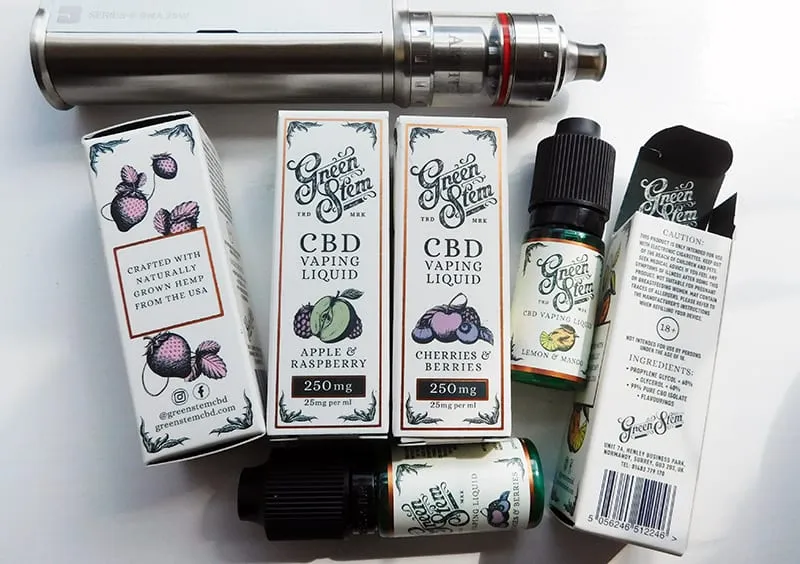
Photo: Elsa Olofsson, CC BY 2.0, via Wikimedia Commons
For a while, buying CBD in the UK was relatively straightforward: you looked at the bottle, checked the strength, and tried to work out what “full spectrum” meant. Now the labels have grown extra letters. CBG. CBN. CBC. Sometimes all three, arranged like a indie band lineup. The marketing often suggests these are the next big thing. The science is more measured.
That does not make minor cannabinoids uninteresting. It just means curious shoppers deserve clarity rather than hype. So here is a calm, evidence-aware tour of the acronyms—and a list of questions to ask before you buy.
First, the family tree
CBD and THC are the best-known cannabinoids in the cannabis plant. CBD is the one used in mainstream UK wellness products; THC is the psychoactive compound and is controlled in the UK. “Minor cannabinoids” is a loose term for the others that appear in much smaller amounts, including CBG, CBN and CBC.
CBG is often described as a precursor because the plant produces it early in its growth cycle. CBN is commonly associated with older plant material, because it can form as THC breaks down over time. CBC is another cannabinoid that has attracted laboratory interest. None of them is simply “CBD plus something extra.” They are different molecules, and they are present in different amounts depending on the plant, the extraction and the product.
What the evidence actually says
This is where the responsible voice matters. Much of the excitement around minor cannabinoids comes from laboratory studies, animal research and very small human trials. That is not nothing—it is often where science begins—but it is not the same as robust evidence that a product will reliably do something for you.
You will see CBG linked to focus, CBN linked to sleep and CBC linked to mood or skin. Those associations are marketing-friendly, but the human evidence is early and mixed. There is no strong UK-authorised medicinal claim that a CBG, CBN or CBC product treats insomnia, anxiety or low energy. If a brand says otherwise, treat it as a red flag rather than a revelation.
This does not mean you cannot be curious. It means you should hold the claims lightly. “May support” is not “will fix.” “Early research suggests” is not “proven.”
Why labels get messy
Minor cannabinoids are often present in tiny amounts. A product might say “CBG” on the front and contain only a trace inside. Or it might list total cannabinoids in a way that makes the number look larger than it is. You need to know whether the milligrams refer to the whole bottle or per dose, and whether the minor cannabinoid is a meaningful part of the formula or a sprinkle for the label.
Full-spectrum, broad-spectrum and isolate are also worth understanding. Full-spectrum usually means the product contains a range of plant compounds, including trace THC. Broad-spectrum usually means THC has been removed or reduced. Isolate means a single cannabinoid. None of these terms automatically makes a product better; they describe what is inside.
The UK rules bit
CBD products in the UK are subject to novel food requirements, and THC remains controlled. Minor cannabinoids are not automatically covered just because they appear alongside CBD. As of 2026, the market is still evolving, and the rules are not a decorative footer—they exist to protect consumers.
Brands should be careful with claims. A CBD product is not a medicine unless it has been authorised as one. Words like “treats”, “cures” or “prevents” should make you pause. So should vague wellness language that implies a medical benefit without saying it outright.
The three letters in plain English
CBG: Often marketed for daytime focus. It is an early-stage cannabinoid in the plant, and human evidence is limited. If you see a CBG product with a big focus claim and no testing information, stay sceptical.
CBN: Often marketed for sleep. It can form as THC degrades, which raises questions about THC content and stability. The sleep evidence is not strong enough to justify dramatic promises. A calm bedtime routine is still doing most of the work.
CBC: Often marketed for mood, skin or general balance. It is perhaps the least familiar of the three for everyday shoppers, and the evidence is very early. Curiosity is fine; certainty is not.
Questions to ask before you buy
- How much CBG, CBN or CBC is actually in the product, and is that amount per bottle or per dose?
- Is there a batch-specific certificate of analysis from a reputable laboratory?
- Does the test cover cannabinoid content, THC level, pesticides, heavy metals and solvents?
- Is the product on the UK novel food register where required?
- Does the label make medical claims or vague cure-all promises?
- Is the THC level clearly stated and within legal limits?
- Is the carrier oil simple and clearly listed?
- Does the brand explain how to dose cautiously and what to expect?
- Is there a clear returns policy and proper contact information?
- If you take medication, are pregnant or breastfeeding, or have a health condition, have you checked with a pharmacist or GP?
A balanced way to stay curious
Minor cannabinoids are worth watching. They are also worth approaching with the same calm scepticism you would apply to any new wellness ingredient. Start low, change one thing at a time, keep a simple note of how you feel, and do not stack several new products in the same week. If a product promises to transform your sleep, focus or mood, remember that the strongest evidence in wellness is still boring: routine, daylight, movement, food and rest.
CBD, CBG, CBN and CBC may all have a place in the conversation. They do not all have a place in every bottle. Read the label, ask the questions, and let curiosity lead—not the hype.