A Kinder Sunday Night: Choosing a CBD Format for the Week Ahead

Photo: Pauline E , CC BY-SA 2.0, via Wikimedia Commons
Sunday scaries are not a diagnosis. They're that low-grade hum that arrives sometime after lunch, when the weekend stops feeling spacious and the week ahead starts tapping its watch. For some people it's a flicker of dread. For others it's a full-body reluctance to look at Monday's calendar. Either way, the answer probably isn't a heroic Sunday-night overhaul. It's a softer landing.
CBD can be part of that landing, but it's not the whole story. This is a product guide with an opinion: the format matters less than the routine around it, and the routine works best when you're not asking CBD to do something it can't. Here's how to think about oils, teas and balms if you want to fold CBD into a calmer Sunday evening.
Start with the ritual, not the product
Before you choose a format, choose a moment. Sunday evening is already full of signals—the ironing, the meal prep, the bin night, the slightly tense scroll through work messages you promised you wouldn't check. A CBD routine works best when it's attached to something you already do: making a cup of tea, having a bath, sitting down after dinner, or getting ready for bed.
That might sound obvious, but it's easy to buy a product and then wonder why it doesn't feel like anything. A few drops taken while you're still half-reading emails is not the same as a few drops taken while you're deliberately doing nothing. The ritual is the container. CBD is optional contents.
Oils: flexible, fiddly, worth reading the label
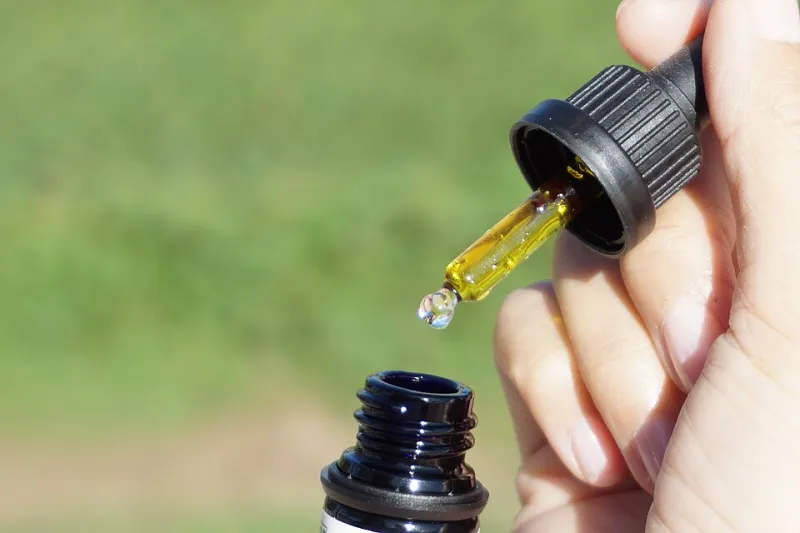
CBD oil is the most common format for a reason. It's easy to adjust, easy to take under the tongue, and easy to ignore if you don't like the taste. It's also the format most likely to confuse a first-time buyer, because labels vary wildly. Look for the total CBD content, the amount per drop or per serving, and clear instructions. A '10% oil' means nothing if you don't know the bottle size and the dropper volume.
Oil suits people who like a bit of control. You can start with a small amount and see how you feel. But it's also the format most likely to encourage overthinking. Don't spend Sunday evening calculating milligrams like you're sitting an exam. Pick a sensible starting point, follow the label, and keep a note of what you took and how you felt. If you're taking medication, pregnant or breastfeeding, or under 18, CBD isn't a casual experiment—check with a professional first.
Teas: lovely ritual, variable dose
CBD tea is appealing because the ritual is built in. Kettle, mug, steam, a few minutes of quiet. That alone can make Sunday evening feel less sharp-edged. But tea is a tricky format if you're looking for consistency. Some products contain CBD; others are hemp tea with little or no CBD. Some are blends with other botanicals. The dose can be vague, and the taste can be earthy in a way that surprises people.
My view: choose CBD tea for the ritual first and the CBD second. If you like the taste and the pause, it's a pleasant way to mark the end of the weekend. If you're specifically trying to track CBD intake, an oil is usually easier to measure. And if you're caffeine-sensitive, check the blend—some 'calm' teas still contain green tea or other stimulants.
Balms: local comfort, not a systemic shortcut
CBD balms are for muscles, joints and the general pleasure of rubbing something warming into tight shoulders. They are not a clever way to get CBD into your bloodstream, and they shouldn't be sold as a fix for Sunday dread. What they can do is add a physical ritual: a few minutes of massage, a warm shower, a bit of care for a body that's been hunched over a desk all week.
If you like balms, use them as part of the wind-down rather than instead of it. Check the label for CBD content and other ingredients, patch-test if you have sensitive skin, and keep them away from broken skin and eyes. A balm won't reorganise your week, but it can make your shoulders feel less like they're auditioning for a role in a tense drama.
Timing and expectations
Sunday evening is not the moment for a big experiment. If you're new to CBD, start small and start earlier rather than later—perhaps after dinner, rather than right before bed. That gives you time to notice how you feel and avoids adding 'did I take too much?' to the Sunday worry list. Keep a simple note on your phone if you're tracking effects. And don't stack formats: an oil, a tea and a balm all at once is not a calm routine, it's a confusion of variables.
The honest expectation is subtle. CBD is not a treatment for anxiety, insomnia or depression, and it won't make Monday disappear. Some people find it helps them feel a little more settled; others notice nothing much. The Food Standards Agency advises healthy adults to keep daily CBD intake to no more than 10mg, and that's a ceiling, not a target. If you feel unwell, stop and seek advice.
A gentle Sunday plan
If you want a simple structure, try this: at around the same time each Sunday, make a warm drink, put your phone out of reach, and take a small, labelled amount of CBD if you're using it. Sit for ten minutes. Then do one small practical thing for the week ahead—lay out clothes, write a short list, check the calendar—and stop there. The aim is not to solve Sunday. It's to stop Sunday from feeling like a countdown.
A kinder Sunday night is mostly about signals: the weekend is ending, the week is coming, and you're allowed to meet it gently. CBD can be a small part of that. The rest is tea, low light, a bit of honesty about what you can control, and the radical decision to close the laptop before Monday has even started.